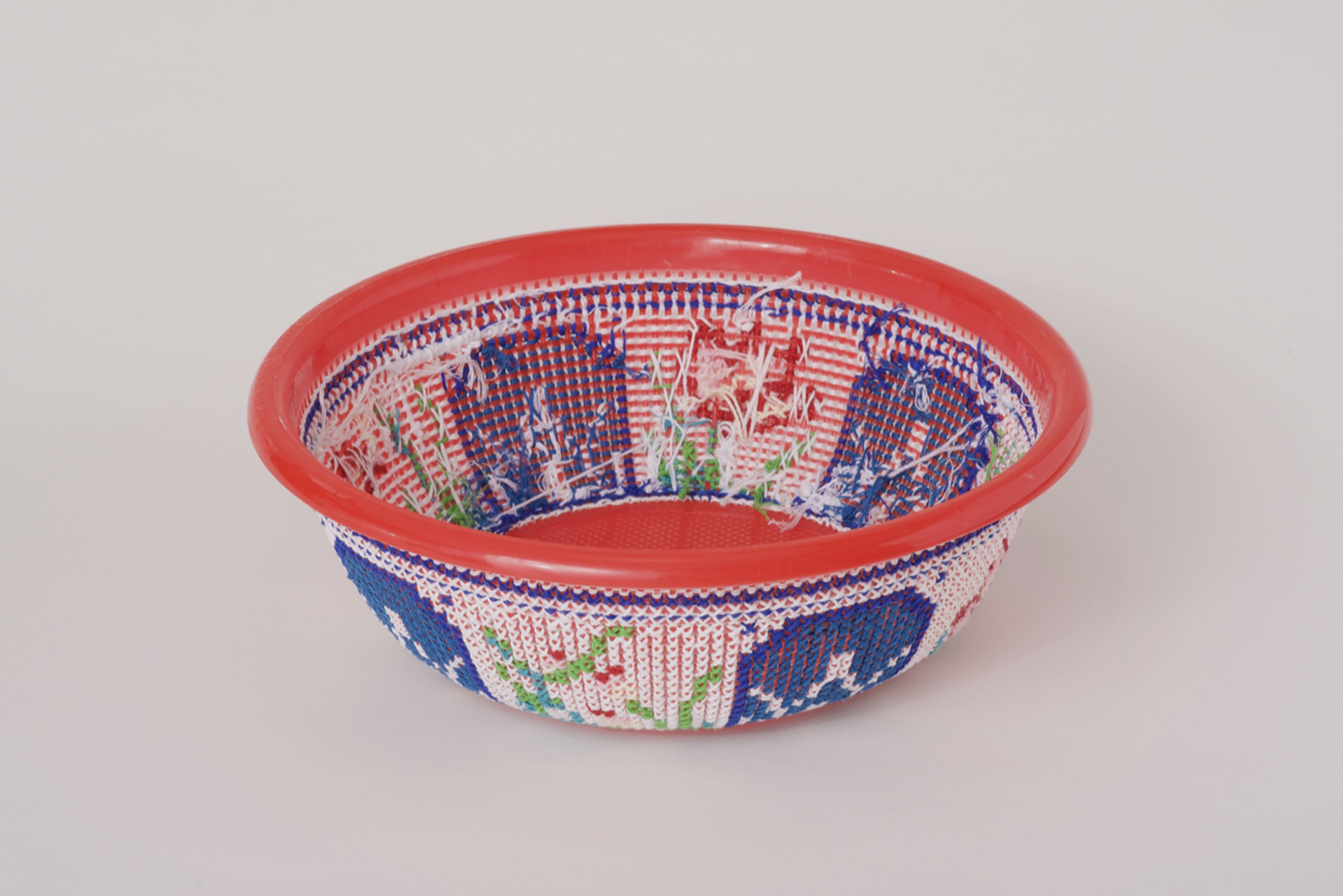
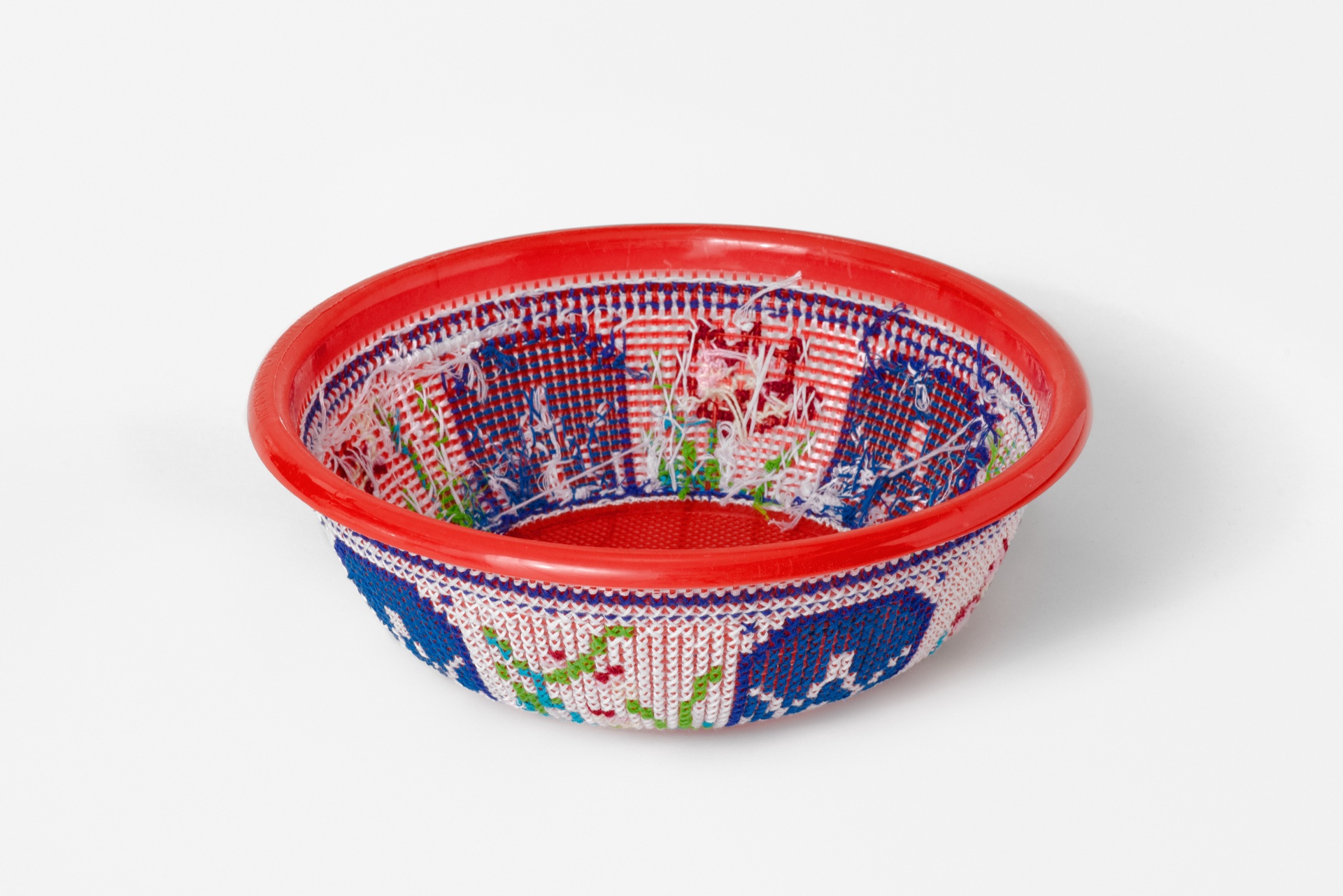
Art documentation is the work that lets a piece exist in a digital context. Done well, the photograph disappears and only the work remains.
About art documentation
Why is it needed
Most artists and galleries are documenting work the same way they did fifteen years ago, only now with a phone and no lighting setup. The result is a generation of works whose only existing records are JPGs that misrepresent colour, flatten surfaces, and crop information.
Use cases
Websites and social feeds.
Print reproductions.
Archives held by estates and institutions.
Unique needs
Colour accuracy.
Controlled lighting.
Medium-specific deliverables.
Redundant offsite backup.
Predictable turnaround.
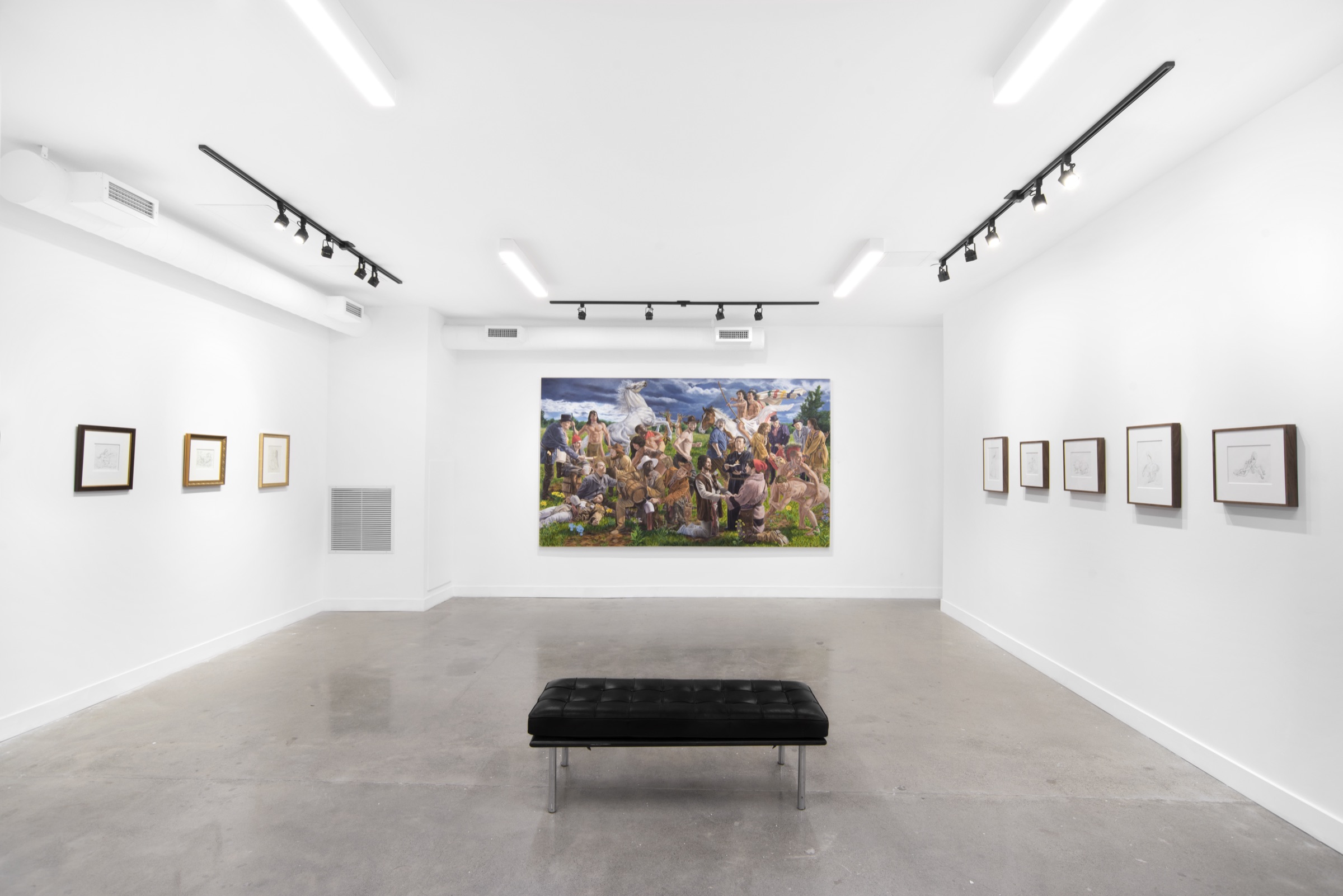
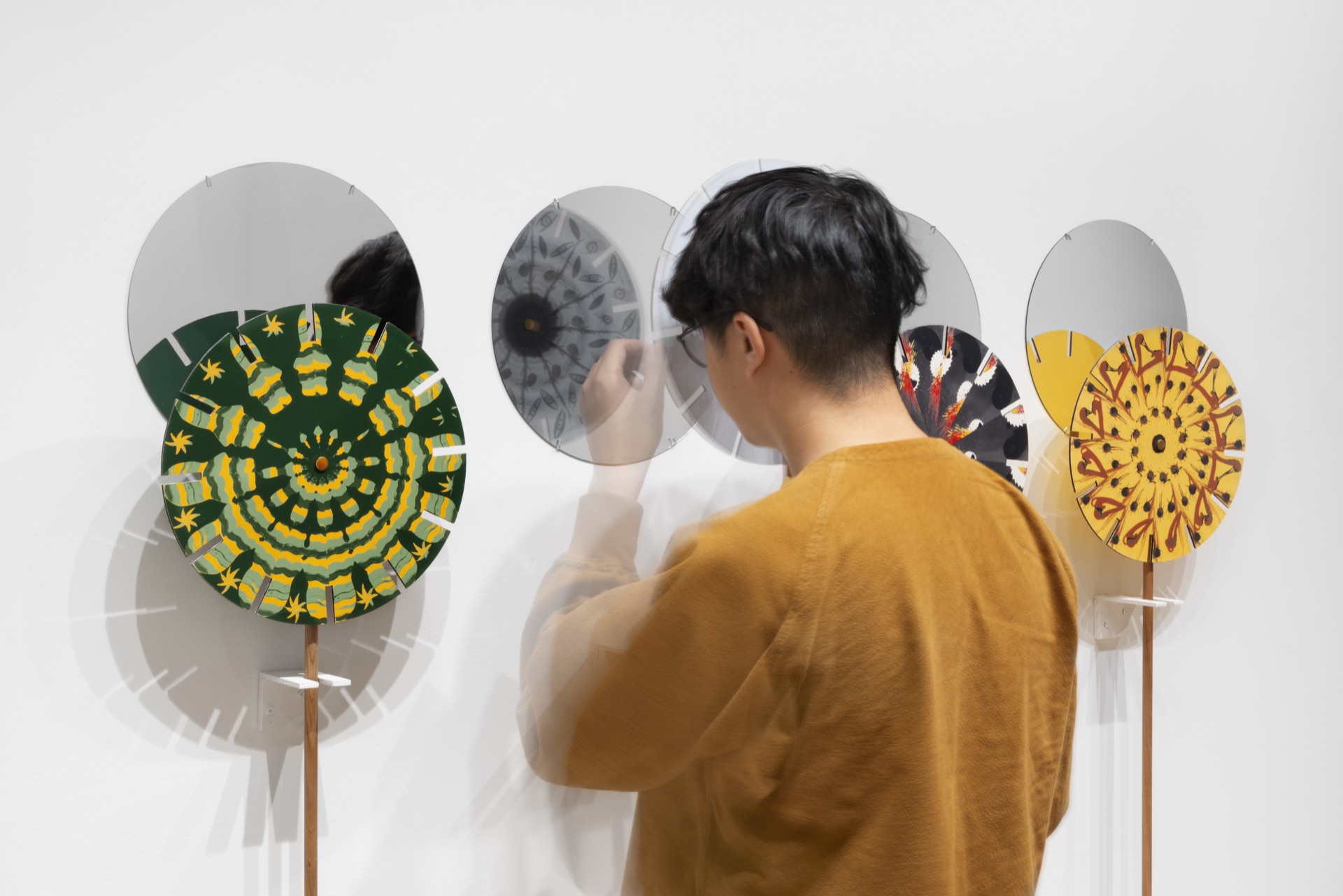
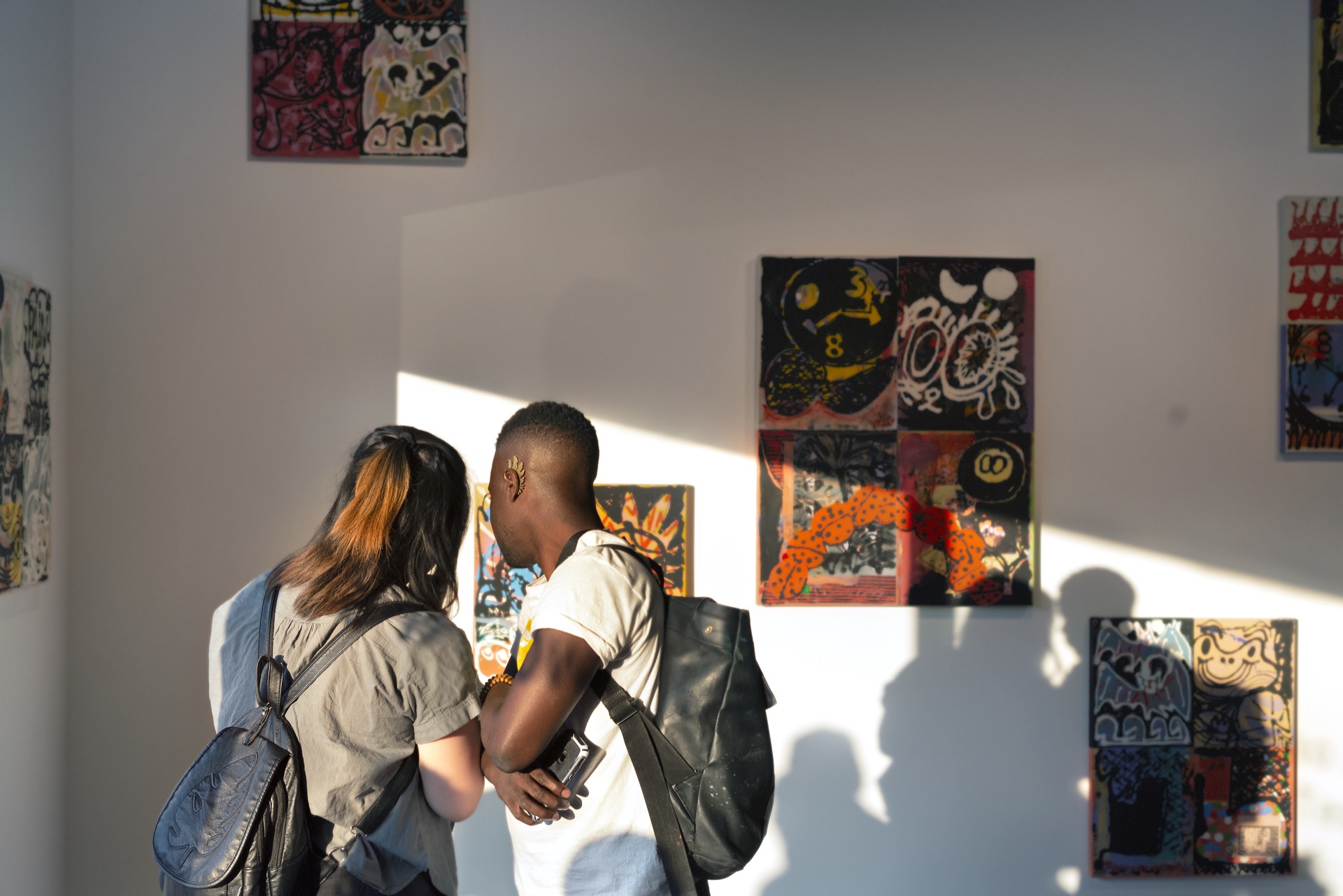
Event photo for the opening of Tessar Lo, ‘a window is also a field’, Patel Gallery.
Not just product shots
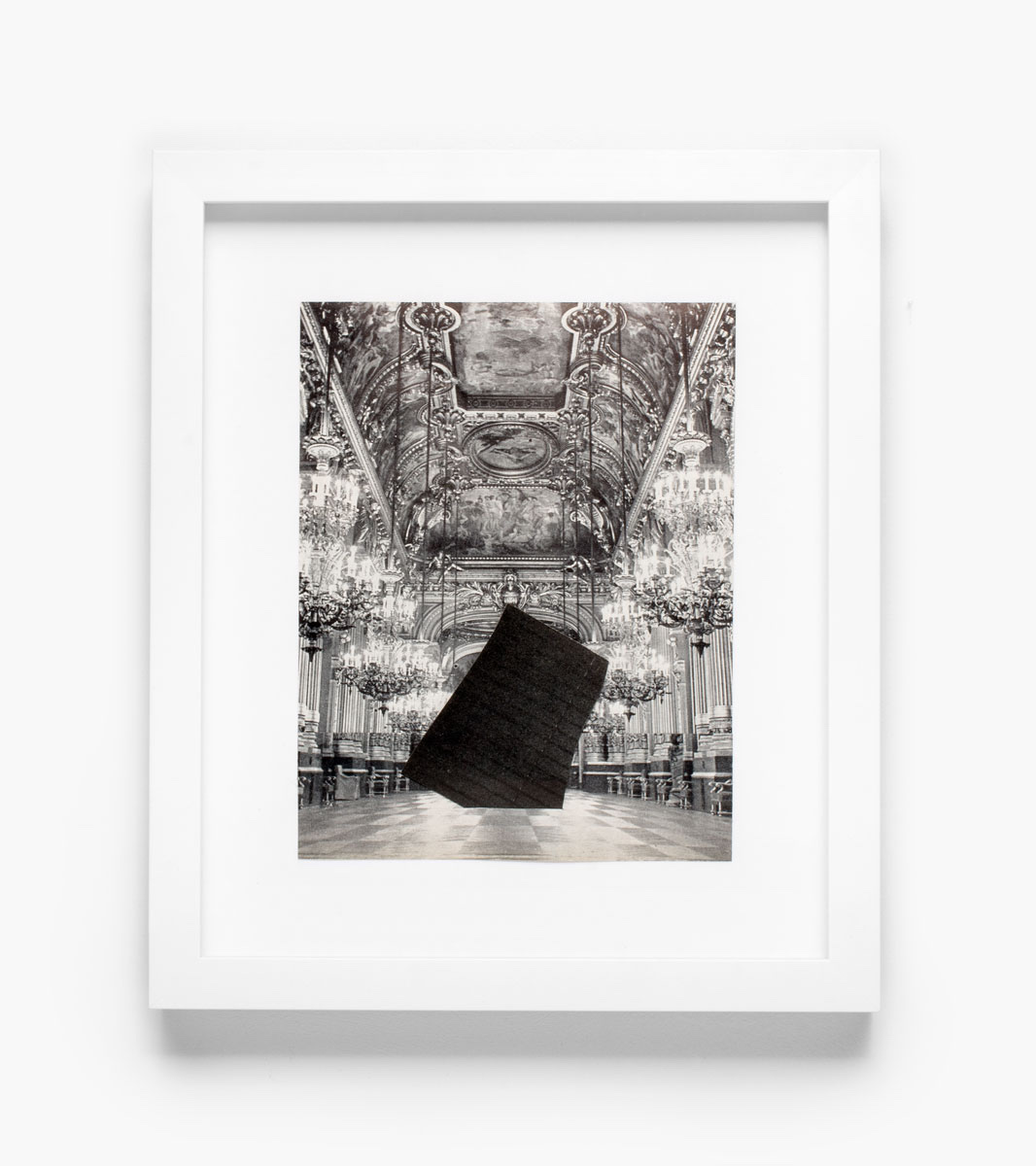
Product photography is great at speed, polish, and narrative. Archival work strips the narrative back and pulls focus toward the object itself. The two share techniques, but their goals diverge by necessity.
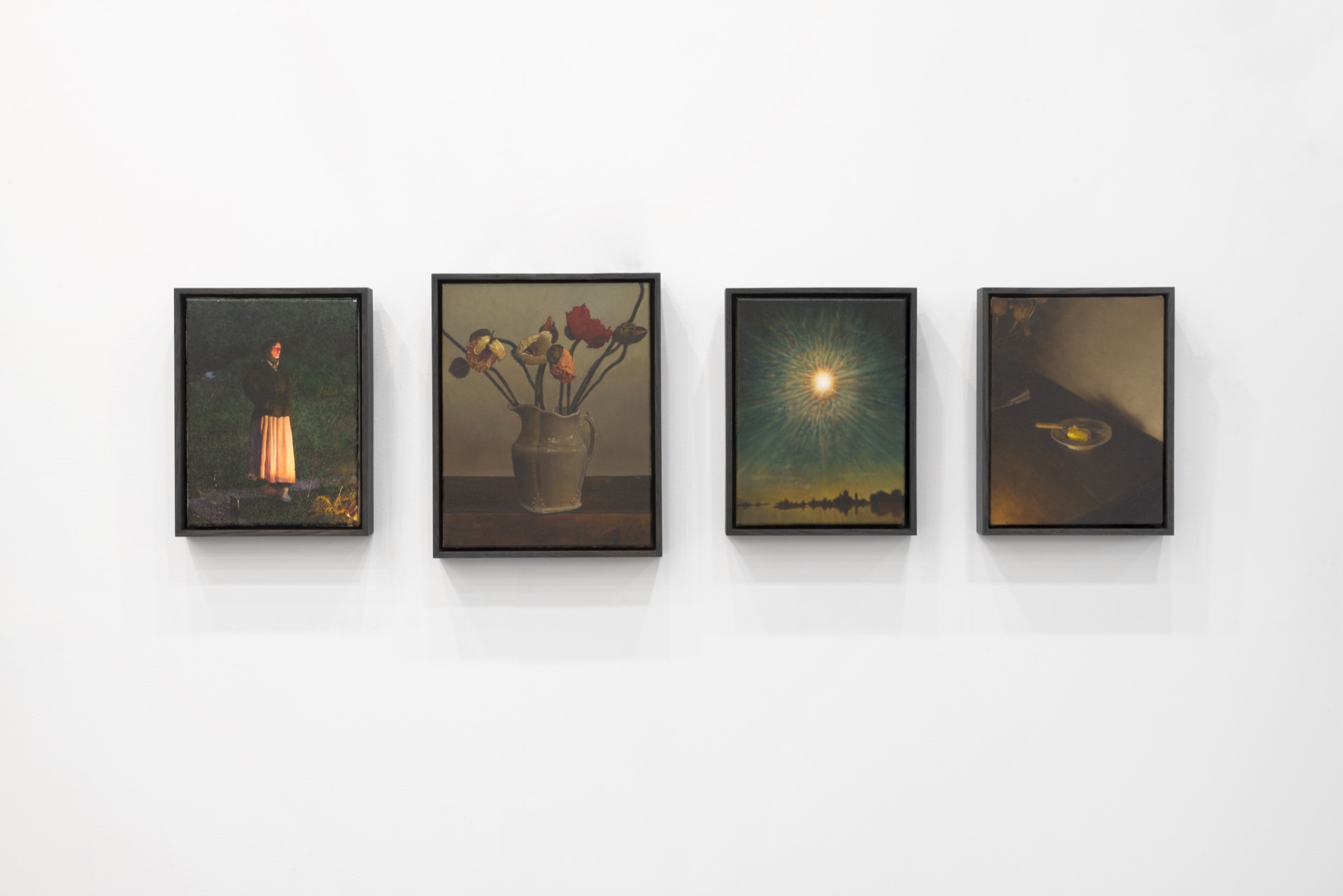
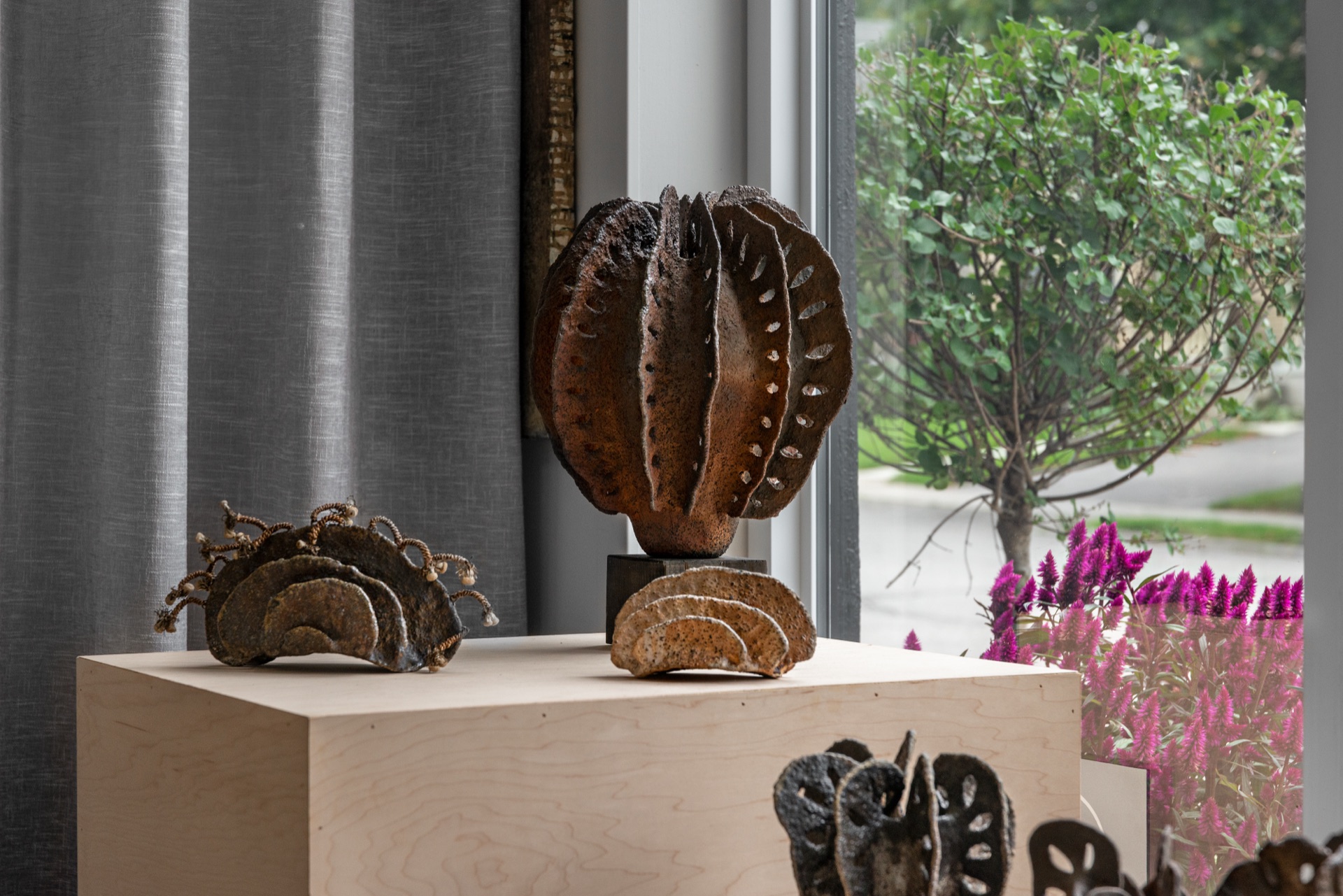
Clean treatment with colours matched to predetermined specs; lighting kept restrained, with focus on portraying the object rather than building a narrative around it. ‘Web Monolith’, Life Studies.
A note on accuracy
Matching the experience
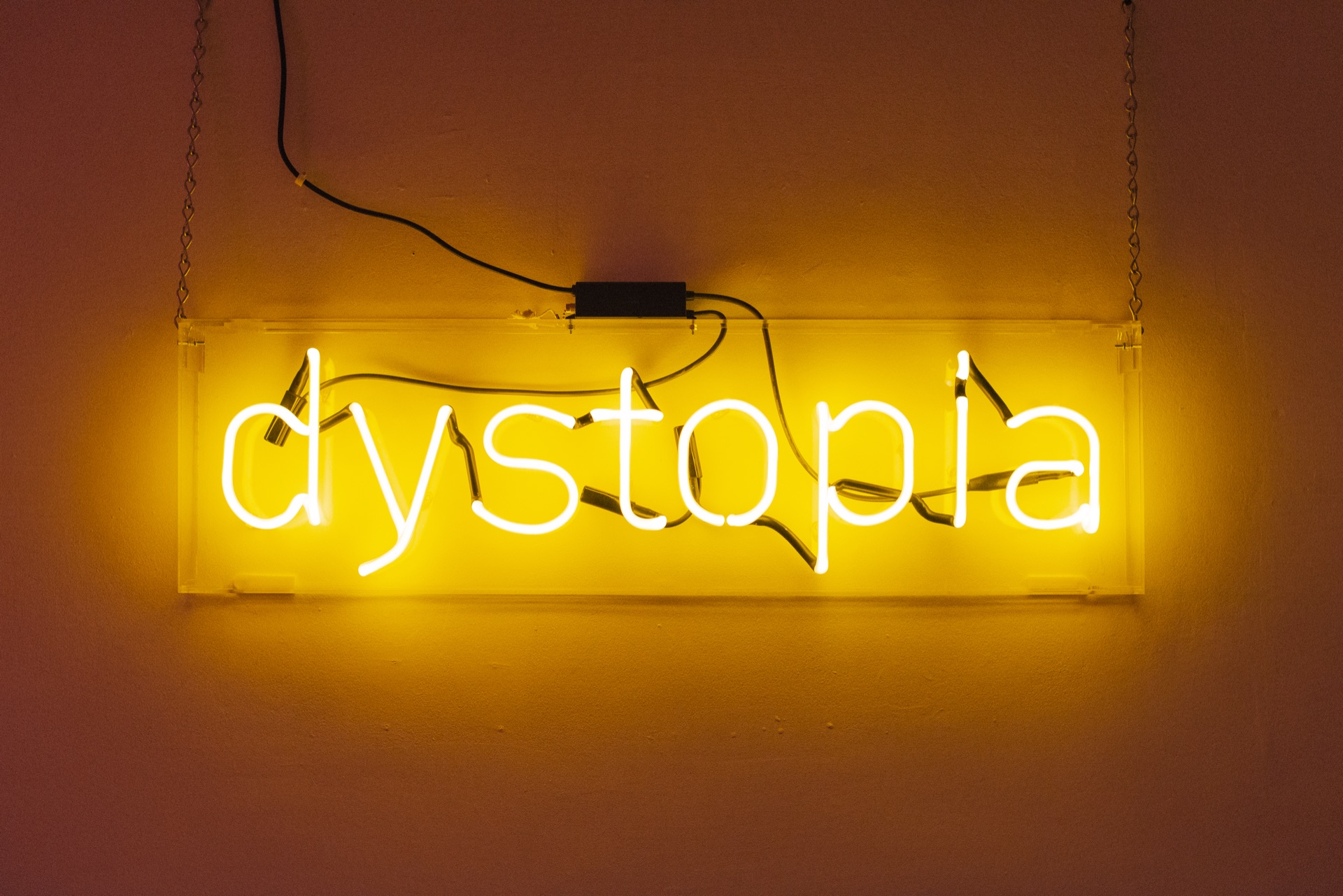
The intuitive idea is that documentation should be objective — point a camera at the work, record what the sensor sees. In reality, it doesn't work that way. Raw sensor data doesn't match the work; the eye accommodates ambient light, surface gloss, contrast, and dimensional cues that a flat exposure flattens further. Documentation that's accurate to the experience of the work is almost never accurate to a literal capture.
A neon piece won't sit on a single exposure — the tubes blow out before the surround reads. Multiple captures, composited, get the work back to how it feels in the room. Adrienne Crossman, Patel Gallery.
Where compositing comes in
Most pieces need post to reconcile what the sensor captured with what the viewer perceives in the room. The first job is controlling shine: polarised strobes eliminate glare, and post handles whatever the lighting couldn't fully tame. The second is restoring three-dimensionality — impasto on a painting, a low-relief work, a wall sculpture. Compositing polarised and non-polarised exposures in Photoshop, working from colour-managed masters with the original work in front of me, is how documentation gets back to honest.
Calibration will get you 99% of the way there. You need to experience the piece and use your judgement to get the rest.
RawComposited
Drag to compare. Left: raw capture. Right: dust and scratches removed, colour brought to accuracy, burn and dodge to fix the lighting, and the background cleaned to the hex used in the gallery's previous deliverables.
Documentation as a system
The shoot is one day. The engagement is everywhere the files have to live after it — a website, a press kit, a printed monograph, an archive someone else will inherit.
Every project gets a deliverable structure that resembles a small design system — naming conventions, file specs, export profiles, organisation. Each piece's record is internally consistent, and consistent with the rest of the body of work. Five years from now, you or your gallerist or your estate can open a folder and find what's needed without ever having to come back to me.
Intake
First contact — email or call to scope the engagement: what we’re documenting, how it’ll be used, and any constraints around access, schedule, or context.
Brief — work list, dimensions, end uses, deliverables. Written down and agreed before any shooting begins, so capture is built around real outputs.
Pre-shoot
Work-back schedule — capture date, post turnaround, delivery date, revision windows. Sized to fit the work being made and the dates it has to land for.
On-site
Capture — tethered to a calibrated workstation. Controlled strobes with polarised filtration. Every frame reviewed on a calibrated monitor before moving on.
Studio
Post — colour-managed editing with consistent profiling across the body of work. Compositing where needed; masters verified against the original.
Delivery
Handoff — organised folders with naming and structure agreed in the brief. Web masters, print masters, press-kit crops — separate masters per end use.
Revisions — two rounds per delivered piece, within the agreed revision window. Anything beyond that is quoted up front.
Exhibition documentation
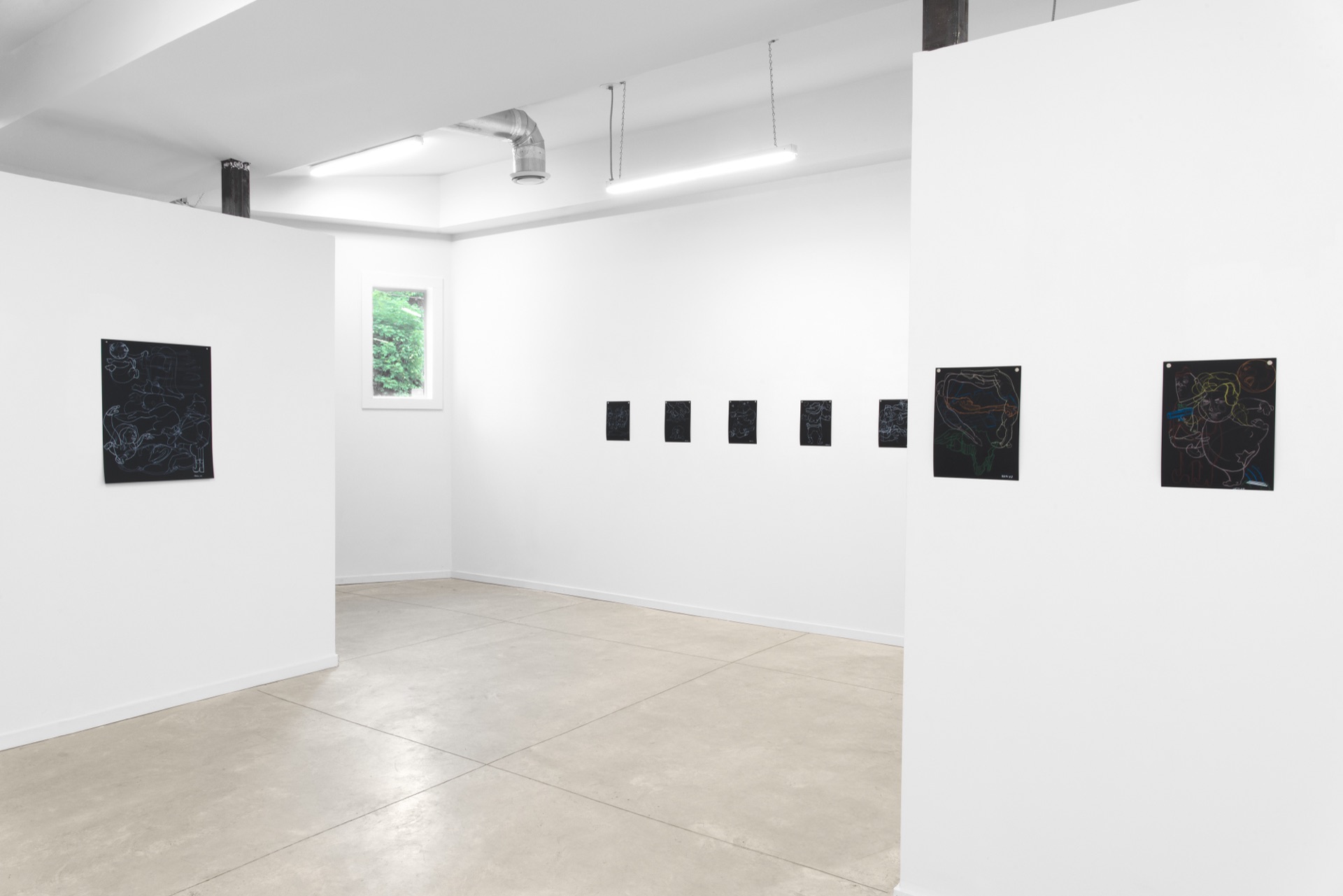
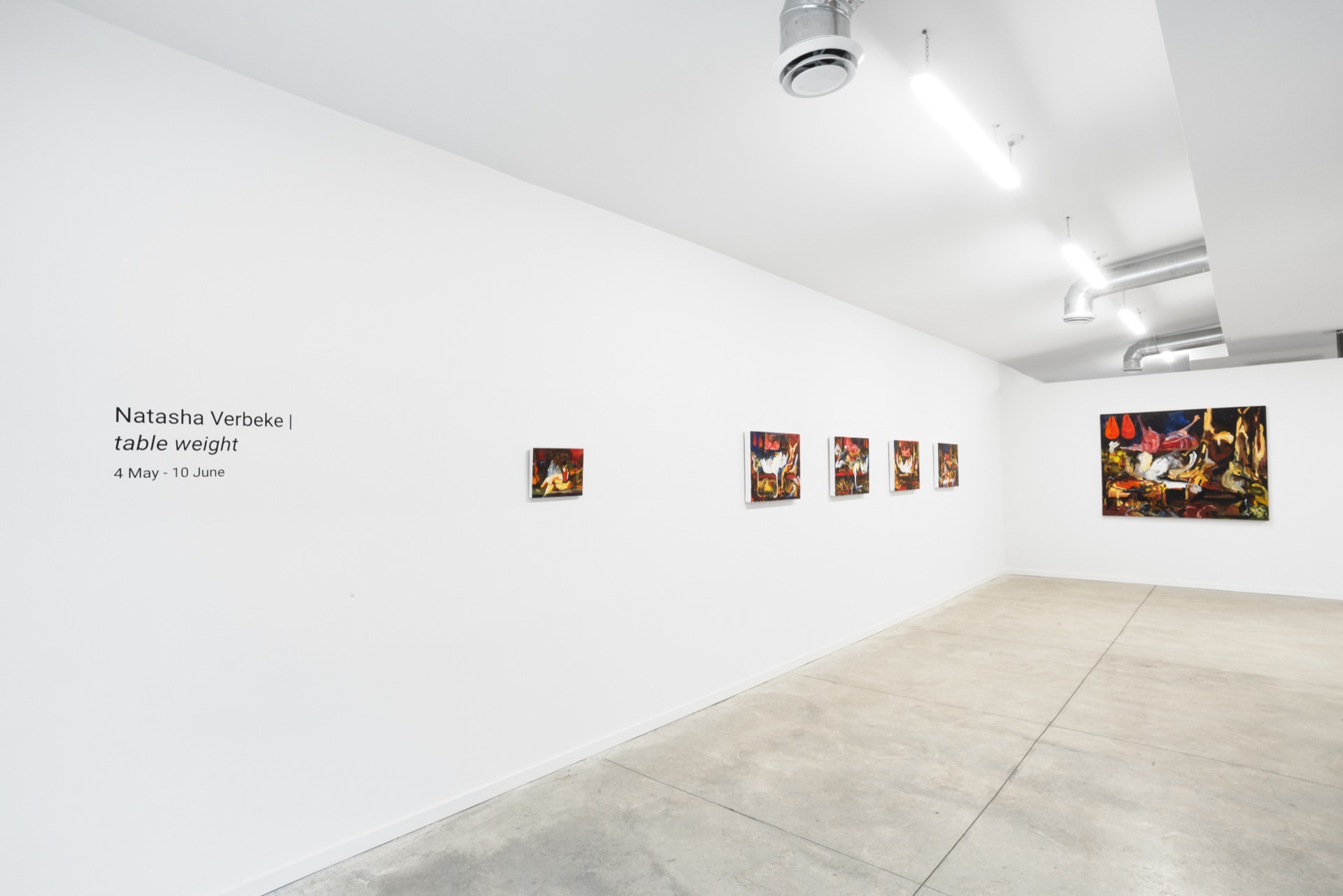
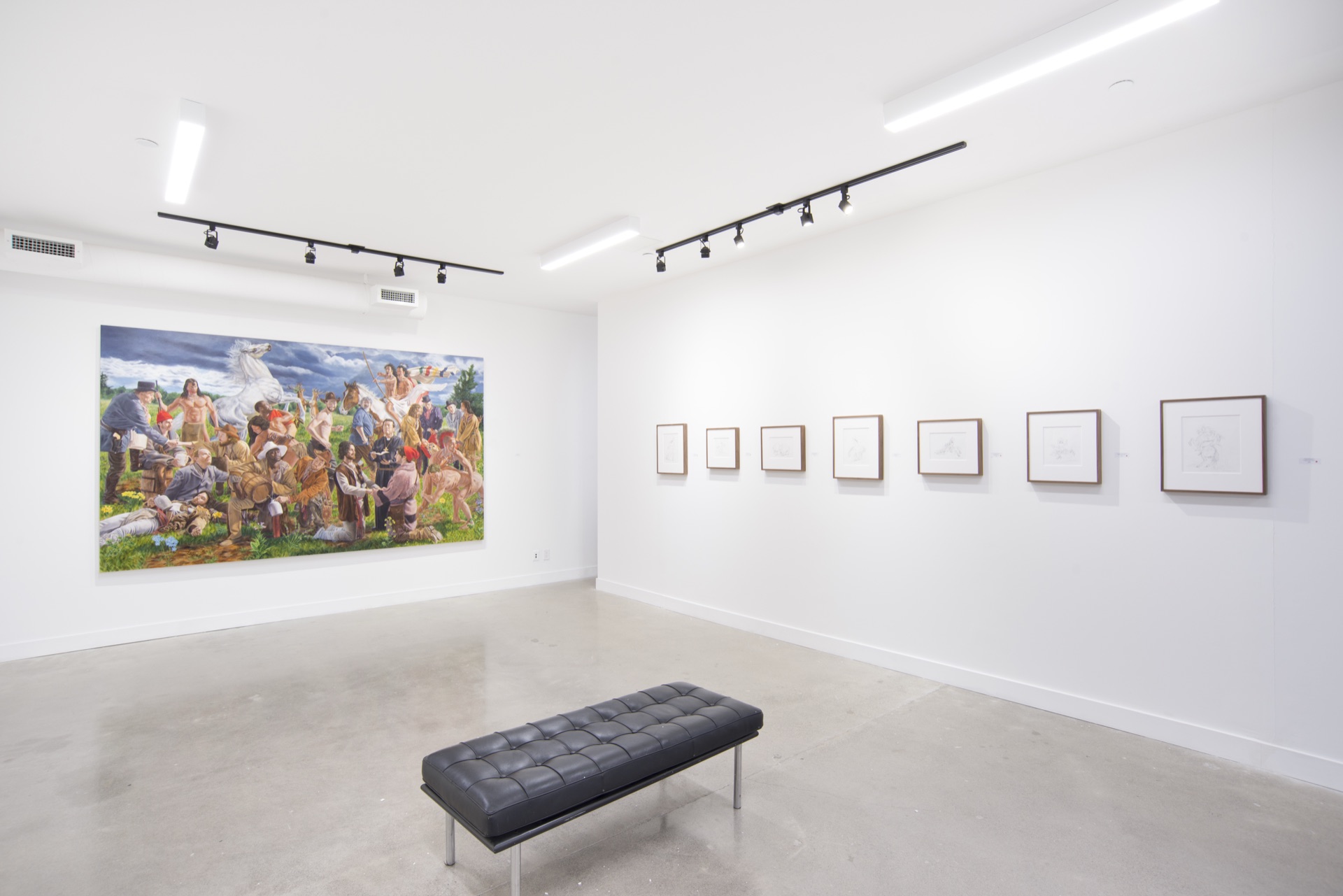
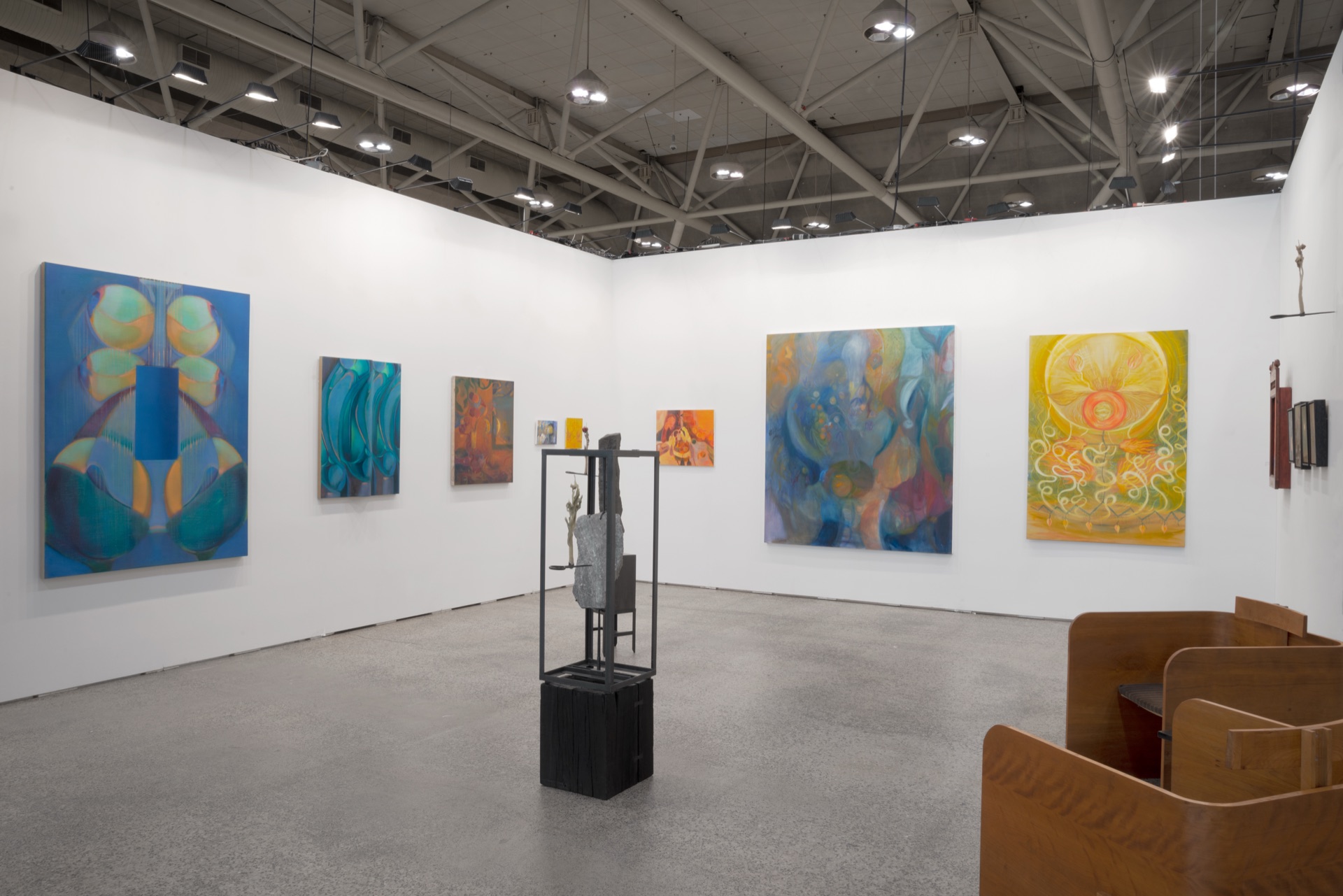
Documenting an exhibition is a different brief from documenting a piece. Galleries and institutions hire me to record the show as a whole, holding both the artist's and the curator's intentions in the same frame.
01/ 08
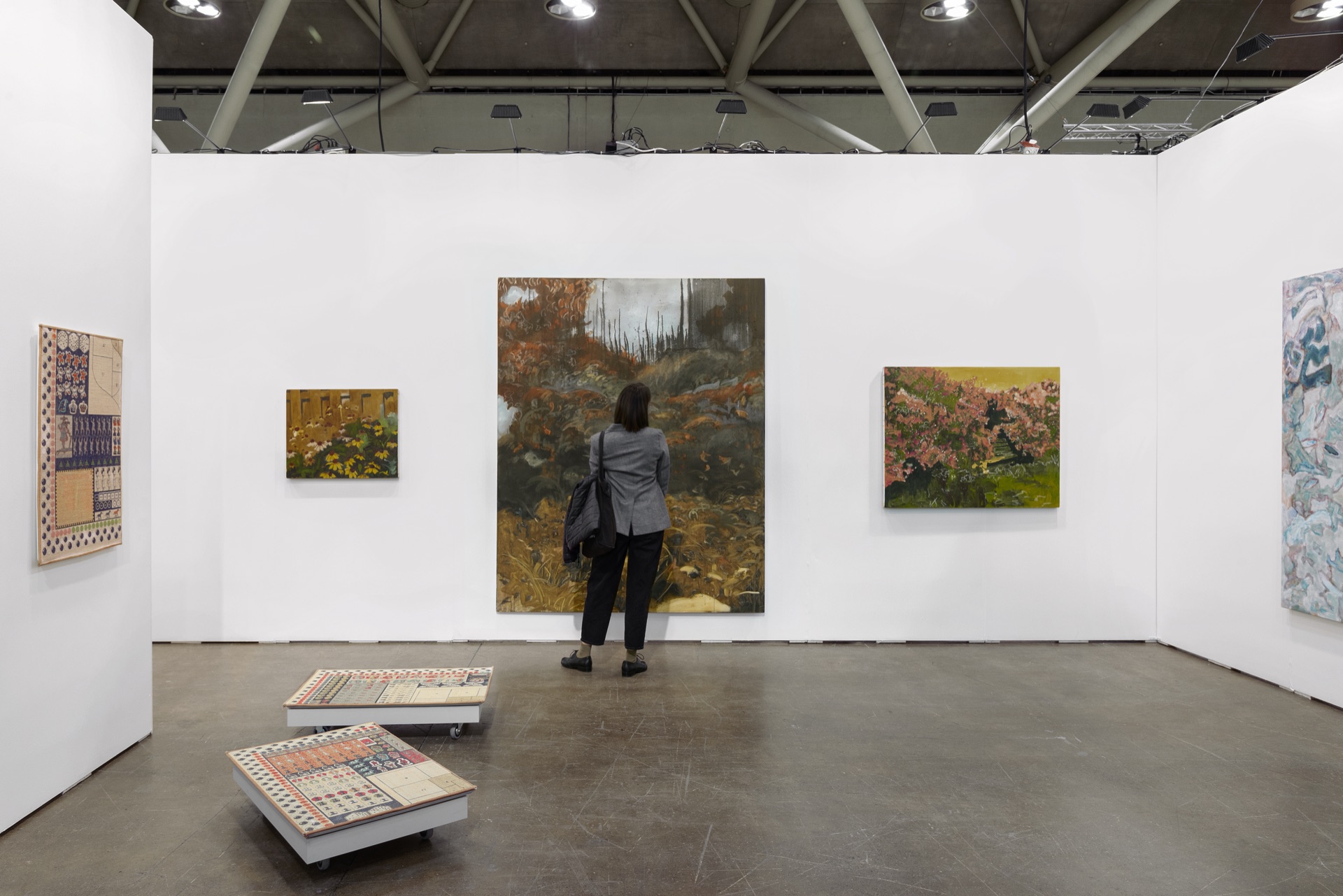
A good record holds the show as a spatial system — installation views with scale, sightlines, and light intact; the sequences and pairings that let works speak to each other across the room; individual pieces on their walls, with the space around them doing what it's meant to do; and the smaller curatorial moments that carry the logic of the install.
In service of the work
All of it — the lighting, the calibration, the file-naming conventions, the offsite backups — is in service of one outcome: a record of the work that outlives the conditions that produced it. Five, ten, fifty years from now, someone looking at the file should see the work itself: the colour the artist mixed, the surface they built, the room they put it in. Getting there takes a system, and the system is the practice.
Work with me
Let's talk about your work.
For pricing, availability, or to discuss a body of work, get in touch. I work with individual artists, galleries, estates, and residency programmes.